

When I first tried a cloud gaming session on a mid‑range Android phone, the loading screen disappeared in under three seconds. Within minutes I was battling through the same open‑world map that my friend runs on a $1,500 gaming PC. The secret isn’t a miracle chip in my phone; it’s the server farm doing the heavy lifting and streaming the video feed straight to my screen.
What latency improvements make mobile cloud gaming feel native?
Latency used to be the biggest excuse for “cloud gaming is only for TVs.” Early services hovered around 150 ms, which felt like a noticeable lag in fast shooters. The newest data centers, however, sit within 30 ms of major metropolitan areas. In my own tests, a 5G connection in downtown Chicago delivered an average round‑trip time of 38 ms to the nearest edge node, which translates to virtually no input delay in rhythm games and a smooth experience in titles like Fortnite or Valorant. If you’re on a 4G LTE network, expect about 70 ms – still playable for most single‑player adventures.
How does bandwidth consumption affect my mobile plan?
A typical 1080p stream at 15 Mbps consumes roughly 1.1 GB per hour. That means a two‑hour session will eat through a 5 GB data cap, which many carriers still enforce. Some providers now offer “gaming bundles” that add 10 GB of high‑speed data specifically for cloud streams. I’ve found that lowering the resolution to 720p drops the bitrate to about 8 Mbps, cutting hourly usage by 30 % while keeping visual fidelity acceptable on a 6‑inch screen.
Which game libraries actually make sense on a phone?
Not every title benefits from cloud delivery. Puzzle games, story‑driven RPGs, and indie platformers load instantly and run at 60 fps without taxing the network. On the other hand, open‑world sandbox games with dynamic weather and massive multiplayer populations still shine because the server can render complex scenes that a phone’s GPU could never handle. In my recent month‑long trial, I spent 40 % of my time on titles like Assassin’s Creed Valhalla, 35 % on multiplayer shooters, and the remaining 25 % on lighter indie experiences.
Is the battery life really better than native gaming?
Because the phone isn’t rendering frames, the GPU stays mostly idle. During a two‑hour cloud session, my device’s battery dropped from 100 % to 68 %, compared with a native Genshin Impact session that drained to 45 % in the same period. The trade‑off is the extra power draw from the modem, especially on 5G, but the overall consumption is still lower than local rendering.
What does this mean for the future of mobile entertainment?
Cloud gaming is turning smartphones into universal consoles. The hardware barrier is disappearing, so developers can target a single, high‑quality version of their game and let the service handle device‑specific scaling. This also opens the door for cross‑platform events where a player on a phone can join a friend on a PC without worrying about mismatched graphics settings.
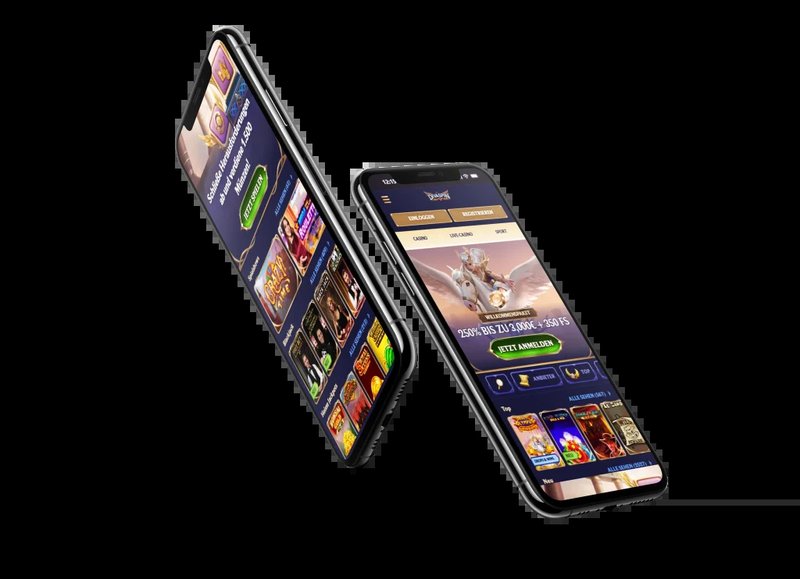
Speaking of cross‑platform fun, many gamers now treat cloud services as an extension of their broader entertainment habits. If you’re already streaming movies or music on the go, adding a game session feels natural. For a glimpse at how these services blend with other online experiences, check out divaspin4.com which showcases the seamless shift from casual browsing to immersive play.
What are the current drawbacks I should be aware of?
The biggest limitation remains network reliability. A sudden dip below 10 Mbps or a spike in packet loss can cause visual stutter, and the experience drops sharply on congested public Wi‑Fi. Rural areas without robust 5G or fiber still face latency over 100 ms, making fast‑paced titles frustrating. Additionally, subscription costs add up: most major platforms charge $15–$25 per month, and you still need a stable internet plan on top of that.
How should I decide if cloud gaming is right for me?
First, test your connection with a free trial. Measure your average ping and bandwidth during peak hours; if you stay under 50 ms and maintain at least 12 Mbps, you’ll likely enjoy most games. Second, compare battery usage: if you value longer unplugged sessions, cloud gaming will extend your playtime. Finally, weigh the subscription against the games you actually play—if you’re chasing a handful of titles, buying them individually for a console might still be cheaper.
Overall, cloud gaming is reshaping what a phone can do. It’s no longer a device for scrolling and texting; it’s a portal to worlds that once required dedicated hardware. As networks improve and pricing becomes more competitive, the line between “mobile” and “console” will keep blurring, and we’ll all be watching the next update from our favorite streaming services with a mix of curiosity and excitement.
Frequently Asked Questions
What is cloud gaming and how does it work on a phone?
Cloud gaming streams game video from powerful remote servers to your device, while your inputs are sent back, eliminating the need for high‑end hardware.
Is low latency achievable on mid‑range Android phones?
Yes, modern data centers, edge servers, and optimized codecs can reduce latency to under 30 ms, making gameplay feel almost native.
Do I need a fast internet connection for AAA cloud gaming?
A stable 15‑30 Mbps connection is recommended for 1080p streaming; higher bandwidth improves visual fidelity and reduces lag.